


In today’s world, most of us spend hours each day sitting at a desk, staring at a screen, and barely moving. While modern office jobs may not seem physically demanding, they take a serious toll on the body. Prolonged sitting, poor posture, and repetitive movements with the mouse, lead to muscle imbalances, stiffness, and chronic pain — especially in the neck, shoulders, and lower back.
This is where and why, sports massage can make a real difference. Though often associated with athletes, sports massage isn’t just for people who train hard or compete — it’s for anyone who uses their body (and that includes sitting for long hours!). For desk workers, regular sports massage can relieve built-up tension, improve posture, reduce stress, and even boost mental focus and energy levels.
Let’s explore how this powerful form of therapy helps counteract the effects of desk work and why it’s a must-have for office wellbeing.
The Hidden Strain of Desk Work
Spending hours in front of a computer may not feel physically intense, but it places constant, static strain on your muscles and joints of the neck, shoulders and upper back, as well as the lower back. When you sit for long periods — especially with your head tilted forward and shoulders rounded — your body adapts to that position. Over time, certain muscles become overstretched and weak, while others become shortened and tight.
Common issues for desk workers include:
Tight neck and shoulder muscles (especially the upper trapezius and levator scapulae).
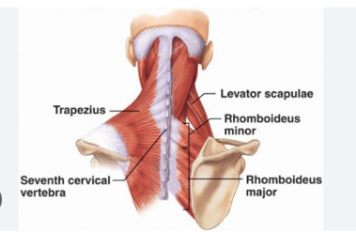
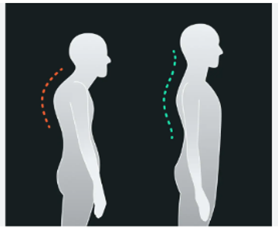
Rounded shoulders and forward head posture.
Lower back discomfort from prolonged sitting.
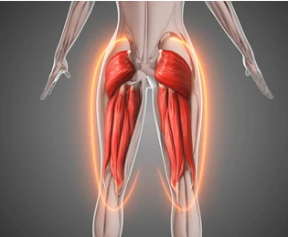
Stiff hips and hamstrings.
Wrist and forearm tension from typing and mouse use.
These imbalances can lead to headaches, muscle fatigue, reduced mobility, and even nerve compression (such as tingling or some numbness in the arms or hands).
Tech Neck: The Modern Epidemic
One of the most common issues seen in desk workers today is “tech neck” — a term used to describe the neck and shoulder pain caused by constantly looking down at screens.
When your head tilts forward, the muscles in the back of your neck must work harder to support its weight. At just a 30-degree tilt, your head can place up to 40 pounds (18kg) of pressure on your neck and upper spine. Over time, this leads to tightness in the neck, shoulders, and chest, along with reduced range of motion and tension headaches.
Sports massage can effectively relieve the symptoms of tech neck by:
Releasing tight muscles in the neck, shoulders, and upper back.
Improving blood flow to oxygen-starved tissues.
Encouraging better posture through muscle rebalancing.
Reducing headache frequency by easing tension around the base of the skull.
By addressing these underlying muscular issues, sports massage doesn’t just provide temporary relief — it helps retrain your body to sit and move more naturally.
For any queries or to make a booking please do contact Mandy at Sports Massage Reigate for more details.
How Sports Massage Helps Desk Workers
Sports massage targets soft tissues — muscles, tendons, and fascia — to release tightness, restore flexibility, and encourage proper alignment. Here’s how it can specifically benefit those with desk-related pain and stress:
- Relieves Muscle Tension and Stiffness
Sitting in one position for too long reduces circulation and causes muscles to tighten. Massage helps to loosen stiff muscles by:
Breaking down adhesions (“knots”) in the muscle fibres.
Increasing elasticity and mobility in overworked muscles.
Restoring balance between opposite muscle groups (for example, between the chest and upper back).
This can lead to greater comfort, increased ease of movement, and less stiffness when you get up from your chair.
- Corrects Postural Imbalances
Poor posture is one of the biggest causes of discomfort for desk workers. Over time, forward head posture and rounded shoulders can lead to chronic pain. Sports massage helps by:
Lengthening shortened muscles in the chest and front of the neck.
Activating and releasing tension in the upper and mid-back muscles.
Encouraging awareness of your body position and movement patterns.
When combined with stretching and strengthening exercises, massage can help you stand taller and move more freely.
For details or any questions please contact Mandy at Sports Massage Reigate. I can help with massage therapy and Personal Training for an overall wellbeing experience.
- Improves Circulation and Energy Levels
Sitting still for hours slows down your circulation, which can lead to fatigue, brain fog, and even swelling in the legs and feet. Massage stimulates blood and lymphatic flow, helping to:
Deliver more oxygen and nutrients to tired muscles.
Flush out metabolic waste products that cause stiffness.
Boost overall energy and alertness.
Many clients report feeling more awake, focused, and relaxed after a sports massage session — making it ideal for combating the mid-week slump.
- Reduces Stress and Promotes Relaxation
The mental demands of office life can be just as taxing as any physical strain. Sports massage activates the parasympathetic nervous system — the “rest and digest” response — which counteracts the stress-driven fight-or-flight mode.
Benefits include:
Lower cortisol (stress hormone) levels.
Increased serotonin and dopamine (feel-good hormones).
Reduced anxiety and tension headaches.
Better sleep quality.
A calmer, more relaxed mind also means better concentration and productivity at work.
- Prevents Long-Term Pain and Injury
Regular sports massage helps prevent chronic pain before it becomes a bigger issue. By addressing muscle imbalances early, it reduces the risk of:
Repetitive strain injuries (like carpal tunnel syndrome).
Chronic back or neck pain.
Joint stiffness and reduced mobility.
Massage acts as a form of preventative maintenance, keeping your muscles and joints healthy even if your work keeps you sitting.
For further details or any questions, please contact Mandy at Sports Massage Reigate.
Simple Ways to Support Your Body Between Massages
While sports massage offers significant relief, combining it with daily habits can make the effects last longer. Try incorporating these simple steps:
Take regular movement breaks – Stand, stretch, and walk around every 30–45 minutes.
Adjust your workstation – Keep your monitor at eye level and your shoulders relaxed.
Stretch your chest and hip flexors – These muscles tighten the most from sitting.
Stay hydrated – Muscles function best when hydrated. Water works best under these conditions.
Practice good posture awareness – Pull your shoulders back gently and tuck your chin in when sitting.
Allow the hips to curve under you, thus alleviating pressure on your lower back.
Conclusion
Sports massage isn’t just for athletes — it’s a powerful tool for anyone who spends long hours at a desk. From easing tight shoulders and relieving “tech neck” to improving posture and reducing stress, it offers a holistic approach to physical and mental wellbeing.
If you’re experiencing stiffness, headaches, or fatigue from sitting all day, consider scheduling a sports massage. With regular sessions, you can restore balance, move more comfortably, and feel more energised both in and out of the office.
Your body works hard to support you — even when you’re sitting still. A little care goes a long way in keeping it healthy, flexible, and pain-free.
For further details or for any questions linked to the above article, please do contact Mandy at Sports Massage Reigate. I will be happy to answer any questions.